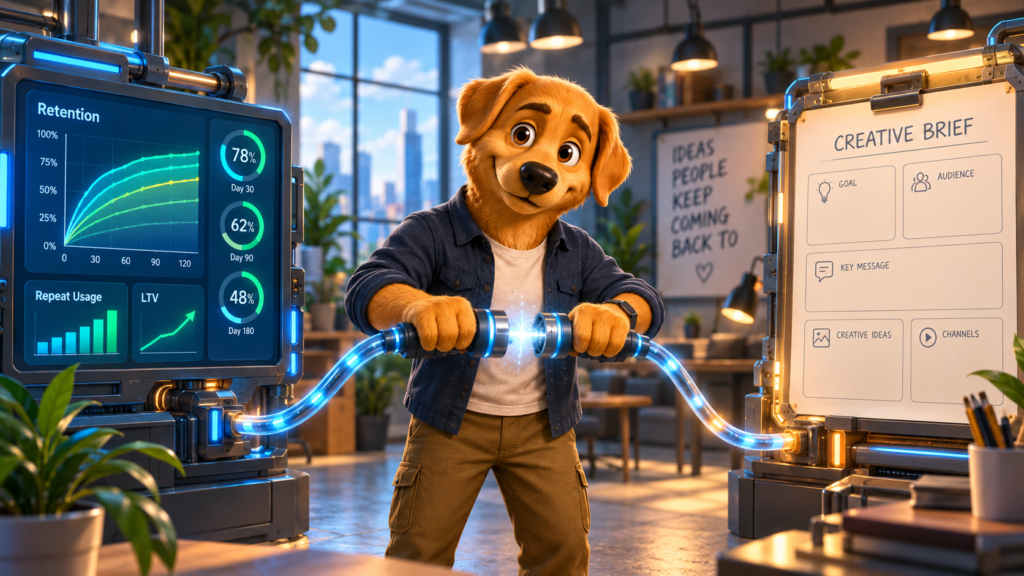
On July 7, Meta released Muse Image, the first image generation model built entirely in-house by Meta Superintelligence Labs. Until now, Meta has relied on external vendors like Midjourney and Black Forest Labs to power image generation in its apps. That dependency just ended. Muse Image is a Meta model, trained on Meta data, built to slot directly into the ad platform.
The rollout is not small. Muse Image reaches Advantage+ Creative across Q3 2026, extending to all 8 million advertisers already inside the Advantage+ suite. That is not a beta test with a waitlist. That is the entire ad platform getting a new-generation engine under the hood.
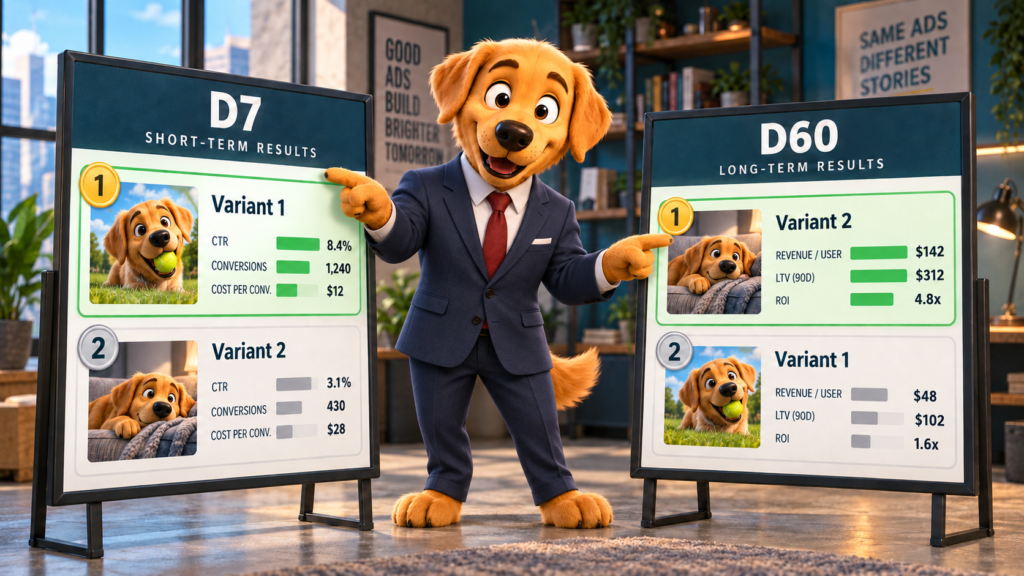
What makes Muse Image different from the AI image tools advertisers have been messing with for two years is the reasoning step. The model works through a brief before generating anything, planning the layout, blending source photos, adjusting elements, and swapping styles to produce on-brand variations with fewer iterations than the old process required. Meta’s own benchmarks put it behind OpenAI’s GPT Image 2 in raw quality, but ahead of Google’s Nano Banana 2 on editing tasks, which matters more for ad creative than it sounds. Most ad variation work is editing, not invention. You are not asking the model to dream up a concept from nothing. You are asking it to take an existing hero asset and produce fifteen versions that respect the brand while testing different angles.
TikTok is running the same play from a different angle. Auto-select for Smart+ scans your existing ad assets and eligible creator content, then recommends which creatives are likely to perform best, with TikTok handling the creator payments in the background. Add the Creative Upgrades rollout that folds trending TikTok content and AI-generated assets into the same pool, and both major platforms have landed on the same conclusion within months of each other. Generation and selection are getting automated. Fast.
Here is the part that should change how you think about this, not just how you operate inside it.
For years, the bottleneck in creative production was capacity. You needed shooters, editors, motion designers, and enough budget to fund a real testing cadence, and most teams did not have enough of any of it. Muse Image and TikTok’s Auto-select do not remove that bottleneck. They eliminate it. A model can now generate a dozen on-brand variations of an existing asset in the time it takes to write the prompt.
That sounds like it makes creative easier. It does the opposite for anyone trying to win with it, because if generation is free, generation stops being the differentiator. Every advertiser on Meta and TikTok gets access to the same variation engine. The gap between accounts is no longer who can produce the most versions. It is who has the concept worth versioning in the first place.
Muse Image is genuinely good at what it does. It can restyle an image, swap a background, pull a still from video, adjust for a new placement. What it cannot do is decide that a nurse-focused hook beats a parent-focused hook for a specific app, or notice that the nine-second version loses the joke the three-second version needed. That judgment still comes from a person who understands the product and the audience, and Muse Image only gets useful once that person hands it a strong starting asset and a real point of view about what to test. Feed it a weak hero image, and you get fifteen polished versions of a weak idea, generated instantly.
On the buying side, this raises the ceiling on how much creative volume the algorithm can absorb, and both Meta’s Andromeda ranking system and TikTok’s delivery engine reward exactly that kind of volume when it is genuinely varied rather than fifteen near-identical crops of the same shot. The tools remove the production excuse. They do not remove the strategy question, which is still what to test, why, and how fast to kill what is not working. A buyer with a fast generation engine and no testing discipline burns through more creative faster without learning more from it.
Muse Image and Auto-select are not going to replace the thing that made an integrated creative-and-media model work from the start: creative and media working off the same read of what the data is saying. If anything, they raise the price of not having that integration, because the platforms just handed everyone the same production speed. The edge moves entirely to what you do with it.
If your team is producing more variations than ever and still cannot tell which ones are actually working, that is the exact gap we close. Reach out, and let’s talk it through.